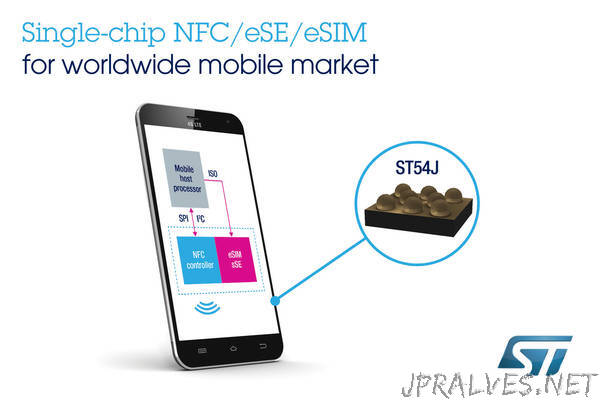
Your Next Adventure Starts With One Travel eSIM
Travel eSIMs let you skip those overpriced roaming fees and clunky physical SIM swaps entirely. You simply scan a QR code and instantly get data plans in over 200 countries. It means staying connected is as easy as tapping your screen—no tiny cards to lose or plastic packaging to trash. For globetrotters, travel eSIMs are the ultimate digital upgrade for hassle-free connectivity.
What Is a Digital SIM for International Roaming
A digital SIM for international roaming, commonly known as a travel eSIM, is a software-based profile embedded in your phone that replaces a physical plastic card. Instead of swapping SIMs abroad, you purchase and remotely install a local data plan before or during your trip. This grants you immediate, high-speed connectivity in your destination country, sidestepping pricey carrier roaming fees. Setup occurs via a QR code or app, leaving your primary SIM active for calls. It provides a travel eSIM as a seamless, secure solution to stay online globally without visiting a store or handling tiny hardware.
How embedded SIMs replace physical plastic cards
An embedded SIM (eSIM) is a tiny chip soldered directly into a device, physically replacing the need for a removable plastic SIM card. Instead of swapping a physical card to change carriers, travelers simply download a digital profile to the eSIM chip. This eliminates the requirement to handle, store, or risk losing a fragile plastic card. The entire process of activating a local data plan is managed through software, making the hardware swap obsolete. This direct hardware replacement means the SIM slot itself disappears from modern phones.
Q: How does an embedded SIM physically replace a plastic card?
A: It replaces the plastic card by integrating the SIM circuitry directly onto the device’s motherboard as a soldered chip, removing the slot for a removable card entirely.
Key differences between traditional roaming and eSIM connectivity
Traditional roaming relies on a physical SIM card and your home carrier’s bilateral agreements, often incurring high daily fees and requiring manual network selection upon arrival. eSIM connectivity, by contrast, allows you to purchase and install a local or regional data plan before you depart, eliminating the need to swap cards. This digital approach gives you immediate, cost-controlled access to local networks while keeping your primary number active for calls or texts, whereas traditional roaming usually locks you into your provider’s expensive, one-size-fits-all tariff. With eSIM, you can also switch providers mid-trip via a profile download, a flexibility physical roaming cannot offer without buying a new SIM.

Top Benefits of Staying Connected Abroad Without a Local SIM
Staying connected abroad without a local SIM is streamlined by travel eSIMs, which offer instant activation and eliminate physical card swaps. The top benefit is effortless coverage across multiple countries, as a single eSIM profile connects you to local networks upon arrival. You keep your primary number active for two-factor authentication and emergency contacts. Travel eSIMs also provide predictable pricing, avoiding surprise roaming fees. Q: What is the key advantage over a physical local SIM? A: You retain your home number while accessing local data rates without searching for a store. This combination of flexibility, convenience, and cost control makes a travel eSIM the simplest way to maintain reliable connectivity abroad.
Instant activation before you even board the flight
With a travel eSIM, instant activation before you even board the flight eliminates the scramble for a local SIM upon landing. You purchase and install the digital profile days in advance, connecting to a network as soon as the plane’s wheels leave the tarmac. This pre-departure setup means your navigation apps, ride-hailing services, and hotel confirmations are live the moment you step off the plane. No airport kiosk queues, no passport registration, and no manual PIN codes are required, giving you seamless connectivity from the very start of your trip.
Cost savings compared to carrier roaming packages
Ditching your carrier’s daily roaming fee for a travel eSIM is where the real savings kick in. Instead of paying $10–$20 per day for a limited data pass from your home provider, you can grab a regional eSIM plan for as little as $3–$5 per day with far more data. The pricing is transparent, so you avoid surprise bill shock from sneaky per-MB charges. Carrier roaming packages often cost 5–10x more than a travel eSIM for the same data allowance, making the switch a no-brainer for frequent travelers.
Q: How much can I actually save by using a travel eSIM instead of my carrier’s roaming plan? A: On a two-week trip, you can easily save $100 or more—carriers often charge $10/day, while a travel eSIM might cost $30 for the entire trip.
Choosing the Right Global Data Plan for Your Trip
When choosing the right global data plan for your trip, prioritize plans that match your specific itinerary rather than opting for a one-size-fits-all “worldwide” package. For a multi-country journey, select a regional eSIM covering all your destinations to avoid separate purchases. Single-country plans are more cost-effective for one-stop travel. Critically, verify the plan’s data limit against your habits—streaming and video calls consume far more than messaging and maps. Choose a plan with adequate high-speed data, not unlimited throttled slow data. Travel eSIM providers offer flexible top-ups if you miscalculate, so start with a slightly smaller tier and add more if needed. This approach ensures you pay only for what you actually use.
Regional vs. worldwide coverage options explained
When selecting a travel eSIM, the core decision is coverage scope. A regional plan, covering a continent like Europe or Asia, delivers cost efficiency if your trip stays within that predefined zone. A worldwide plan offers broader connectivity across multiple regions but often at a higher per-gigabyte rate. Analyze your itinerary: a single-country trip rarely needs global access, while multi-continent travel without changing SIMs justifies the premium. Regional plans are excellent for focused exploration; worldwide plans are practical for unpredictable, multi-country routes.
Q: Should I buy a regional or worldwide plan for a two-week trip through two neighboring countries?
A: Likely a regional plan. If both countries fall under one region (e.g., Schengen Area for Europe), you avoid paying for worldwide coverage you will not use. Confirm the regional plan includes both nations before purchasing.
Data limits, validity periods, and top-up flexibility
When evaluating a travel eSIM, balance data limits against your usage habits—light browsing suits 1GB plans, while streaming requires unlimited caps. Validity periods dictate your trip’s coverage window; a 30-day plan is wasted on a weekend getaway. Top-up flexibility is critical for seamless extension if you run low; look for instant recharge options that preserve your remaining data. Top-up flexibility prevents service gaps when your initial validity or data runs short unexpectedly.
- Choose a data limit that matches your estimated consumption (low, medium, high).
- Align validity periods with exact travel dates to avoid paying for unused days.
- Ensure top-up flexibility allows you to add data or extend validity without buying a new plan.
How to Set Up a Digital Profile on Your Smartphone
To set up a digital profile for a travel eSIM, first open your smartphone’s Settings and navigate to Cellular or Mobile Data. Tap “Add eSIM” and scan the QR code provided by your eSIM provider. Ensure your device is connected to Wi-Fi during activation to avoid data charges. After scanning, label the plan (e.g., “Spain Trip”) and set it as the default for mobile data while keeping your primary line for calls. Once activated, toggle data roaming on for the new plan and test connectivity by opening a browser. This profile instantly grants local network access without physical SIM swaps, streamlining international connectivity.
Step-by-step activation via QR code or app
Activating a travel eSIM begins with purchasing a plan from your provider, which delivers a QR code or app installation link. Open your phone’s settings and select “Add Mobile Data Plan”, then scan the QR code provided. If using an app, download it, log in, and tap “Install eSIM” to initiate automatic configuration. Your device will confirm the new line, often allowing you to label it (e.g., “Travel Data”). Once installed, enable the eSIM line and disable your primary SIM’s roaming to avoid charges. Finally, select the eSIM for cellular data and reboot if prompted, ensuring immediate connectivity upon arrival.
Step-by-step activation via QR code or app involves scanning a code or using a provider’s app to install and configure the eSIM, then selecting it for data use.
Managing multiple profiles for different destinations

Managing multiple profiles for different destinations streamlines your travel eSIM experience by keeping each trip’s data plan isolated and organized. You simply preload a profile for each country—such as Japan, France, or Brazil—into your phone’s settings, then activate the relevant one upon arrival. Efficient profile switching is crucial: disable the previous destination’s eSIM in your carrier settings and enable the new one to avoid billing conflicts. This method prevents accidental data usage on the wrong network, saving you from unexpected charges. For frequent travelers, labeling each profile by destination helps you quickly locate the correct plan during layovers or border crossings.
Compatible Devices and Operating System Requirements
Before your trip, check that your phone is eSIM-compatible, as most modern iPhones (XR and later, except some Chinese models) and high-end Android devices (Google Pixel 3 and newer, Samsung Galaxy S20 and later, Huawei P40 series) support it. You’ll need at least iOS 12.1 or Android 9, though some carriers require iOS 16.4 or Android 12 for instant activation. If your handset lacks eSIM hardware—like budget models or older iPhones—you can’t use a travel eSIM directly.
The real kicker: an unlocked phone is mandatory; a carrier-locked device from the U.S. or Japan often blocks third-party eSIM profiles, even if the hardware is ready.
Download your eSIM before departure—relying on airport Wi-Fi for setup often fails due to weak signals or delayed profile delivery.
Latest iPhone, Android, and Samsung models with eSIM support
For travel eSIM use, latest iPhone, Android, and Samsung models with eSIM support encompass the iPhone 14 series and newer (all U.S. models lack a physical SIM tray), the Google Pixel 8 and 9 series, and Samsung’s Galaxy S24 series and Galaxy Z Fold/Flip 6. These devices natively support dual eSIMs, enabling a primary data line alongside a travel eSIM without swapping physical cards. However, Samsung’s Galaxy S23 models lack dual eSIM capability, restricting users to one eSIM plus one physical SIM.
| Brand | Key Models (eSIM) | Multi-eSIM Support |
|---|---|---|
| Apple | iPhone 14, 15, 16, SE (3rd gen) | Up to 8 eSIMs (2 active) |
| Pixel 8, 8 Pro, 9, 9 Pro | Up to 3 eSIMs (1 active) + physical | |
| Samsung | Galaxy S24, Z Fold/Flip 6 | Up to 2 eSIMs (1 active) + physical |
Checking carrier lock status and manufacturer restrictions
Before buying a travel eSIM, always check your phone’s carrier lock status. A carrier-locked device will only accept eSIMs from that specific network, making travel eSIMs useless. Contact your carrier or dig into your phone’s settings to confirm it’s unlocked. Manufacturer restrictions can also block third-party eSIM profiles—some phones sold in certain regions lack eSIM hardware entirely. Skipping this step means wasted money and no connectivity abroad. How do I know if my phone is carrier-locked for eSIM? Go to Settings > Cellular (or Mobile Data); if you see “Add eSIM” but get an error when activating a travel profile, your phone is likely locked. Unlock it through your carrier before traveling.

Comparing Prepaid Data Packs vs. Postpaid Add-Ons
You land in Tokyo, phone buzzing with a welcome SMS from your home carrier offering a pricey postpaid travel add-on for ten days. Instead, you’ve already scanned a QR code from an eSIM store on the airport Wi-Fi. That prepaid data pack—say, 5GB for https://baztel.co/esim-plans/esim-singapore $12—gives you upfront control over your budget, unlike the postpaid add-on that might list “unlimited” but throttles after 500MB. You finish a video call with your hostel host, knowing your pack’s remaining 4.8GB is fixed; postpaid plans often surprise you with a roaming charge spike if you stray into a partner network. The prepaid eSIM feels like a local SIM you toss, while the postpaid add-on is a leash to your account back home. You switch between apps freely, no fear of a shock bill, because the pack’s meter runs out, not up.
One-time tourist passes versus ongoing subscription services
For travel eSIMs, the core choice is between one-time tourist passes versus ongoing subscription services. A tourist pass offers a fixed data allowance (e.g., 5GB for 15 days) that expires on a calendar date, ideal for a single trip. An ongoing subscription provides a rolling monthly data plan that can be paused or canceled, suiting frequent travelers who want continuity. Tourist passes require no commitment and are activated instantly for the specific destination. Subscriptions often allow top-ups across multiple countries without reinstalling an eSIM. Data rollover is rare in passes but common in subscriptions. The former suits short, isolated trips; the latter suits regular global travel.
Hidden fees, throttling policies, and fair usage clauses
When comparing travel eSIMs, prepaid data packs often lure you with a low headline price, but hidden fees like connection surcharges or account-creation costs can inflate the final bill instantly. Postpaid add-ons, by contrast, might bury their sting in aggressive throttling policies, drastically cutting your speed after a few gigabytes during peak travel times. Meanwhile, fair usage clauses in either option can render “unlimited” plans useless, barring heavy streaming or tethering without warning. Scrutiny here isn’t optional—it’s the difference between seamless connectivity and a frustrating, shock-charged trip.
Staying Secure While Using Foreign Networks
Using a travel eSIM inherently enhances security when connecting to foreign networks, as it prevents physical SIM swapping that can be exploited in public spaces. However, to stay secure, always disable automatic network selection on your device and manually choose the travel eSIM’s affiliate network instead of unknown open carriers. Never conduct banking or access sensitive accounts on public Wi-Fi, even if using a travel eSIM, as the strongest mobile encryption is still bypassed by man-in-the-middle attacks on unsecured hotspots. Additionally, treat the travel eSIM plan as a data-only connection when possible, using a VPN for all traffic to shield activities from the local network operator. Finally, configure your device to prevent automatic app updates or large downloads over the travel eSIM, reducing the chance of data leakage to compromised infrastructure.
Encryption standards and VPN compatibility
When using a travel eSIM, ensure your connection employs AES-256 encryption, the current industry standard for protecting data in transit. For maximum security, pair this with a compatible VPN that supports WireGuard or OpenVPN protocols, as they offer robust tunneling without degrading performance over your eSIM’s foreign network. To confirm compatibility:
- Verify your VPN client supports your eSIM’s carrier APN settings.
- Test the VPN handshake for latency spikes before traveling.
- Select a VPN that explicitly supports AES-256 encryption over your eSIM’s native data path.
Avoiding SIM swapping and account takeover risks
When using a travel eSIM, preventing account takeover via SIM swapping requires isolating your primary number. Remove your physical SIM for foreign roaming; a travel eSIM handles data, keeping your main line offline. Without this separation, attackers can social-engineer your carrier by exploiting weaker foreign network security protocols. To harden your accounts:
- Enable FIDO2 security keys or authenticator apps (not SMS) for all critical logins before departing.
- Lock your primary SIM with a carrier-managed account PIN or port-out passcode to block unauthorized transfers.
- Use a dedicated travel eSIM data plan; do not link recovery numbers or verification SMS to the temporary eSIM profile itself.
This logical separation neutralizes the vector where a compromised foreign network operator reissues your number to an attacker.
Real-World Scenarios: When Digital Roaming Saves the Day
Picture yourself stepping off a delayed flight in Bangkok, only to find the airport Wi-Fi kiosk is down—your physical SIM is useless. With a travel eSIM, you’re online the instant the plane door opens, navigating to your hotel without a single sign-in. This is the lifeline when every minute counts and you need Google Maps or a ride-share app immediately. Later, while trekking in rural Chiang Mai, your local SIM has zero signal, yet a digital data plan from a global provider keeps your translation app active. That constant connectivity means you never miss a train reservation or last-minute accommodation deal. Forgetting to top up a local card becomes irrelevant when your eSIM recharges in under a minute from your couch.
Last-minute business trips and unplanned layovers
A sudden client meeting in Singapore or an unplanned 12-hour layover in Dubai no longer requires frantic SIM card hunts. With a travel eSIM, you purchase and activate a data plan directly from your phone within minutes of landing, using only airport Wi-Fi. This immediate connectivity lets you check rescheduled flights, update your office on itinerary changes, and book last-minute hotels before you even leave the gate. The ability to activate instant roaming during a layover ensures you never miss a critical email or lose access to maps while navigating an unfamiliar airport transit zone.
Multi-country tours without swapping cards
For multi-country tours, a travel eSIM eliminates the need to physically swap SIM cards at each border. Instead, you install a single eSIM profile that provides continuous connectivity across multiple pre-selected countries. This ensures your navigation, translation apps, and communication tools remain active instantly upon arrival in each new nation, avoiding the downtime and risk of losing a tiny physical card. The solution is critical for itineraries that hop between nations daily, as you manage one data plan for the entire journey, not separate local purchases.
Multi-country tours with a travel eSIM mean a single digital profile, no card swaps, and seamless data across every border.
Troubleshooting Common Connection Issues Abroad
When a travel eSIM fails to connect abroad, the first step is checking your device’s APN settings, which often need manual configuration. Forcing a network search under cellular settings can resolve a missing signal, especially in low-coverage zones. If data crawls, try toggling off 5G to lock in a more stable 4G band.
A quick airplane mode toggle or rebooting the phone frequently restores stalled activation, as the eSIM profile re-registers with the local tower.
Also, confirm that data roaming is turned on specifically for the eSIM line, not the physical SIM, to avoid billing surprises. Disable Wi-Fi calling, as it can interfere with the new profile’s access to local networks.
No service after installation and APN misconfiguration
After eSIM installation, “No Service” typically stems from incorrect APN configuration. Manually entering the exact APN details from your provider is essential, as auto-configuration often fails. This misconfiguration prevents data registration, even if the profile appears active. Troubleshoot by verifying APN settings in your network menu, ensuring no trailing spaces. Restart your device after changes. If no service persists, re-download the eSIM profile.
- Force data roaming ON after installing the profile.
- Delete and re-add the APN precisely as specified.
- Check that the eSIM is assigned to the correct line for mobile data.
- Manually select a supported local network operator.
Battery drain and network switching problems
When using a travel eSIM, you might notice your phone getting hot or losing charge faster—that’s eSIM battery drain from constantly scanning for weak foreign networks. This gets worse if the phone keeps switching between local carriers to find a better signal, wasting power each time. To reduce drain, manually select one stable network in your settings instead of letting it roam automatically. Also, disable 5G if coverage is spotty, as 4G often uses less energy abroad.
- Pick one local network manually to stop constant switching and save battery.
- Turn off automatic carrier selection to prevent rapid, power-hungry reconnects.
- Force 4G/LTE mode in areas with weak 5G to avoid extra scan cycles.
- Restart your phone after switching eSIM profiles to clear network cache.
Future Trends in Embedded SIM Technology for Travelers
The future of travel eSIMs will see embedded SIM technology enabling dynamic, real-time network switching without any manual profile downloads. Travelers will automatically connect to the strongest local carrier as they cross borders, eliminating dropouts and dead zones. Devices will pre-cache multiple carrier profiles, allowing seamless handoffs between countries. A key differentiator will be intelligent data pooling, where unused data from a previous destination is instantly repurposed for the next country, reducing waste.
Automatic carrier arbitration will render manual eSIM selection as obsolete as physical SIMs, making connectivity truly invisible.
Future eSIMs will also support device-agnostic portability for travel, allowing a single embedded subscription to be active on both a phone and a connected tablet without separate plans.
IoT integration and wearable connectivity
Travel eSIMs now directly embed into wearable IoT ecosystems, eliminating the need to tether a smartphone for connectivity. A smartwatch or fitness tracker with its own eSIM profile can independently maintain a cellular link for voice calls, GPS tracking, and health data syncing across borders. This integration allows travelers to leave their phone secured while receiving real-time baggage tag alerts or hotel room access from a connected ring or bracelet. The eSIM profile is provisioned remotely within the wearable’s secure element, enabling seamless network switching without physical SIM swaps. Wearable IoT devices thus become autonomous travel companions, handling critical connectivity tasks.
Regulatory shifts impacting global data pricing
Emerging regulations like the EU’s Roam-Like-at-Home extension are pressuring carriers to cap wholesale data costs, which directly lowers retail eSIM pricing for travelers crossing member borders. Simultaneously, local data localization laws in India and Brazil force global eSIM providers to route traffic through domestic infrastructure, incurring higher transit fees that are then passed to users as surcharges. Where nations impose price floors on data resale, as seen in parts of Southeast Asia, travelers face fixed, non-competitve eSIM rates that eliminate discount carrier options.
How a Travel eSIM Works Without a Physical SIM Card
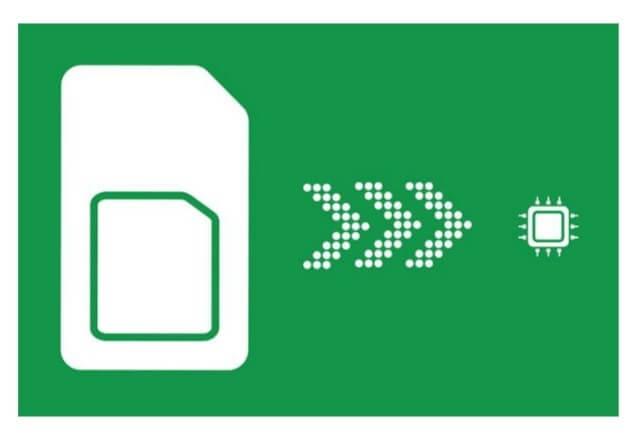
What happens when you scan a QR code for cellular data
The difference between data-only eSIMs and ones that include a local number
Why your existing phone number stays active during the switch
Key Features That Make a Travel eSIM Worth Using
Instant activation without hunting for local stores
Ability to keep your primary SIM for calls while the eSIM handles data
Flexible data plans that start and end on your schedule
How to Choose the Right Plan for Your Trip
Comparing regional plans versus single-country options for multi-destination travel
Understanding data caps and speed throttling after high-usage limits
Checking device compatibility before purchase
Practical Setup Steps From Purchase to First Connection
Installing the eSIM profile while still at home on Wi-Fi
Configuring data roaming and APN settings for seamless use abroad